Repaint Your Coastal NC Home: How Often & Why
Home Maintenance, Exterior Painting, Coastal North Carolina
How Often Should You Repaint Your Coastal North Carolina Home?
If you own a home in Bolivia, Southport, Oak Island, St. James, or anywhere in Brunswick County, you know the coast is beautiful—but it can be tough on your home’s exterior. Understanding how often to repaint, and what signs to watch for, can help you protect your biggest investment and keep it looking its best year after year.
How Often Should You Repaint in Brunswick County?
Along the Brunswick County coast, most homeowners can expect to repaint their exterior every 5 to 8 years on average. However, that’s only a starting point. Coastal North Carolina is much harsher on paint than many inland areas, so some homes may need attention a little sooner—especially those right on the water or fully exposed to sun and wind on Oak Island, Southport’s waterfront, or open areas of Bolivia and St. James.
The best repainting schedule for your home depends on several factors:
Siding material (wood, fiber cement, stucco, vinyl, etc.)
Previous paint quality and number of coats applied
Surface preparation before the last paint job (cleaning, sanding, priming, repairs)
Exposure to direct sun, wind, and blowing rain
Exact location—homes closer to the Intracoastal Waterway or ocean often weather faster than those further inland.
How Coastal Conditions Wear Down Exterior Paint
Coastal North Carolina weather is beautiful, but it’s also a constant test for your paint. In Brunswick County, your home faces a mix of humidity, strong sun, moisture, salt air, storms, and rapidly changing weather throughout the year. Each of these elements plays a role in how long your exterior paint will last.
Humidity and moisture keep surfaces damp, encouraging mildew, mold, and wood swelling. Over time, that can cause paint to bubble, peel, or lose adhesion—especially on wood trim and siding.
Strong sun along the coast fades color, breaks down paint binders, and can make darker colors chalk or look dull. South- and west-facing walls in Oak Island and Southport neighborhoods tend to show this first.
Salt air carries tiny salt particles that settle on your siding. Salt can be corrosive and attracts moisture, which speeds up paint breakdown and can lead to more frequent repainting near the water.
Storms and wind-driven rain pound your exterior, forcing water into cracks and seams and wearing away weaker coatings. Tropical systems and nor’easters are especially hard on exposed siding and trim.
Changing temperatures cause constant expansion and contraction in wood and other materials. That movement can lead to cracking paint and failing caulk if the wrong products or poor prep were used.
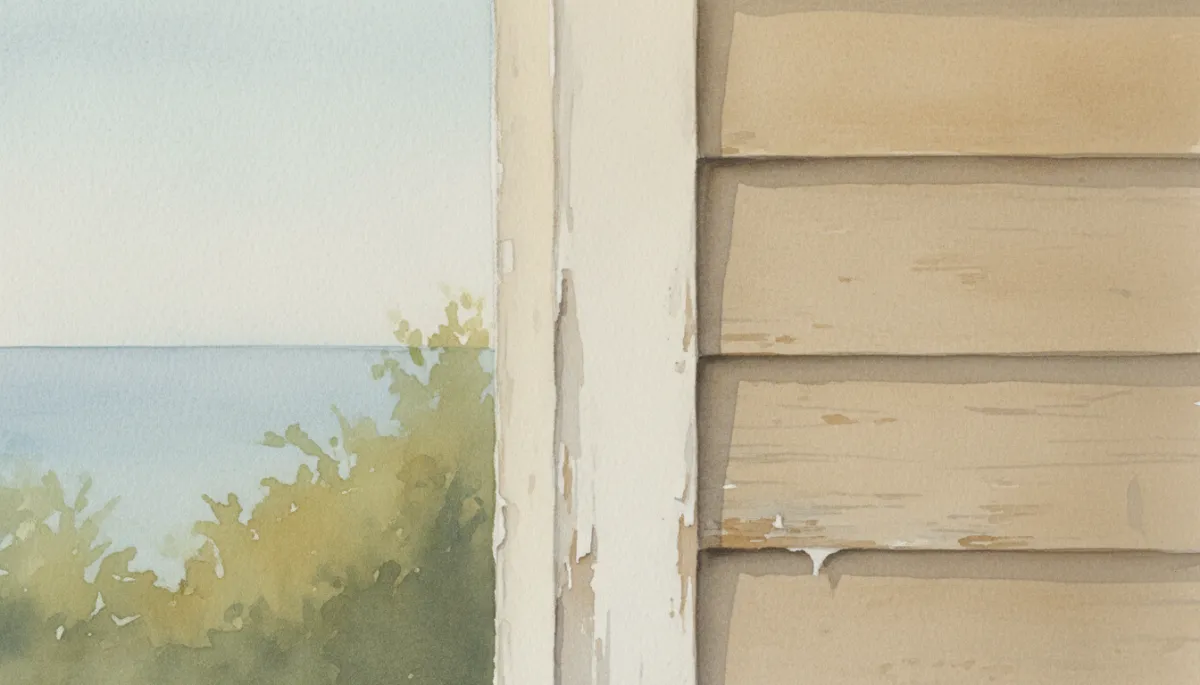
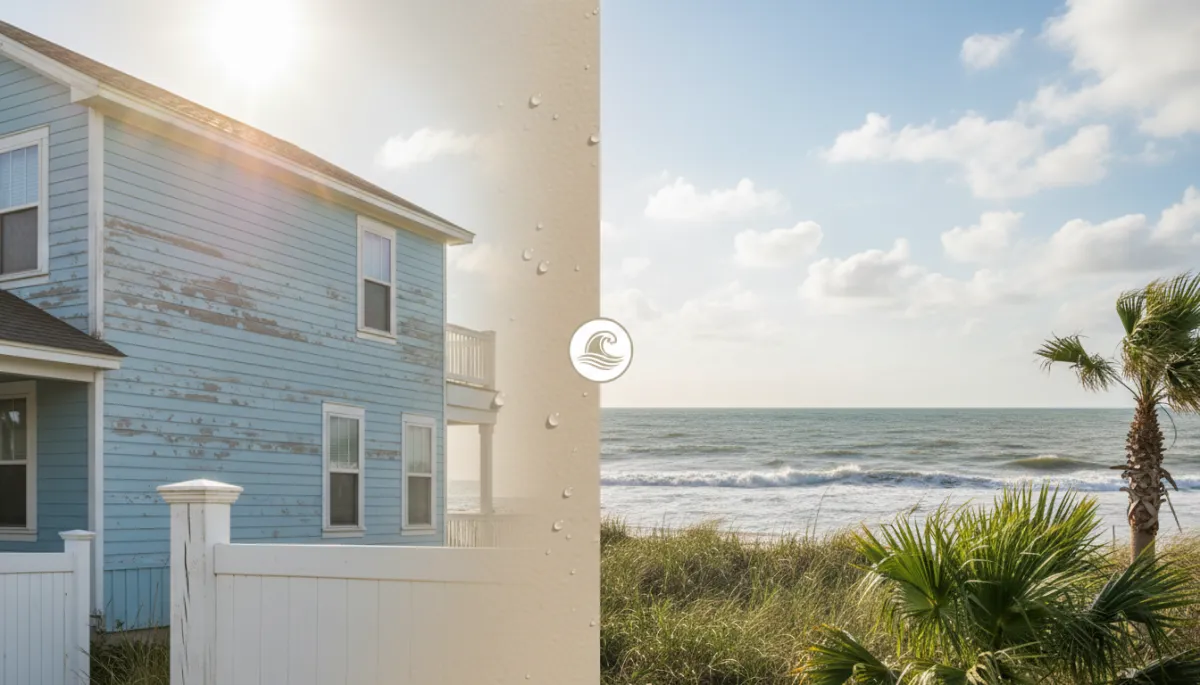
Early signs of fading and peeling are your cue to plan a repaint before damage spreads.
Signs Your Home Is Ready for Repainting
Instead of waiting for a specific year on the calendar, it’s smarter to watch your home for clear warning signs. In Brunswick County’s coastal climate, these changes can sneak up faster than you expect. Walk around your home a couple of times a year and look for:
Fading – Colors that once looked rich now appear washed out or uneven, especially on sunny sides of the house. This is often the first visual clue that UV rays are breaking down your paint film.
Peeling or flaking – Paint lifting away from the surface in chips or sheets is a sign that moisture has gotten behind the coating or that the previous paint lost adhesion. This needs attention quickly to protect the material underneath.
Cracking or alligatoring – Fine cracks or a pattern that looks like alligator skin means the paint film has become brittle from sun and age. Left alone, these cracks widen and allow water in.
Chalking – If you rub your hand along the siding and come away with a powdery residue, the paint is breaking down. Some chalking is normal over time, but heavy chalking is a sign the surface needs cleaning and repainting.
Exposed wood or bare spots – Anywhere the paint has worn away to raw wood or substrate is vulnerable to moisture, rot, and insect damage, especially in our humid coastal environment.
Mildew or algae growth – Dark spots, greenish film, or stubborn staining on the shaded sides of your home often indicate mildew or algae. These growths hold moisture against the surface and should be cleaned and addressed before repainting.
Deteriorating caulk – Cracked, shrunken, or missing caulk around windows, doors, and joints creates gaps where water can enter. Fresh, flexible caulk is an important part of any repainting project near the coast.
More Than Curb Appeal: Paint as Protection
A fresh paint job certainly makes your home look clean, updated, and welcoming—but repainting is about more than looks. On a coastal home, exterior paint is a protective shell between your siding and Brunswick County’s moisture, sun, and salt air. When that shell wears thin, your home is more likely to suffer from wood rot, swelling, warping, and costly repairs down the road.
Quality repainting includes thorough washing, surface repairs, careful scraping and sanding, priming where needed, and sealing gaps with the right caulk. Done correctly, a new coat of paint helps shed water, resists sun damage, and keeps your exterior materials in better shape for years to come. In other words, repainting is a key part of protective maintenance, not just a cosmetic upgrade.
When in Doubt, Get a Local Expert’s Opinion
Every home in Bolivia, Southport, Oak Island, St. James, and the rest of Brunswick County is a little different. Two houses built the same year can age very differently depending on how they were prepped, what products were used, and how exposed they are to sun, salt, and storms. That’s why it helps to have a local, coastal-experienced painting company take a close look and give honest feedback on timing and options.
At Castaway Home Painting, we focus on quality workmanship, careful preparation, and clear communication. As a family-owned residential painting and pressure washing service here in coastal North Carolina, we understand how Brunswick County weather affects your home and what it takes to make a paint job last.
If you’re noticing fading, peeling, cracking, chalking, mildew, exposed wood, or failing caulk—or if it’s simply been a while since your last exterior repaint—this is a good time to plan ahead. Addressing issues early is almost always easier and more affordable than waiting for serious damage.
Contact Castaway Home Painting today for a friendly, no-pressure conversation and a free, no obligation exterior painting estimate for your home in Brunswick County and coastal North Carolina. We’ll walk your property with you, point out any concerns, and recommend a repainting plan designed to protect and enhance your home for years to come.